

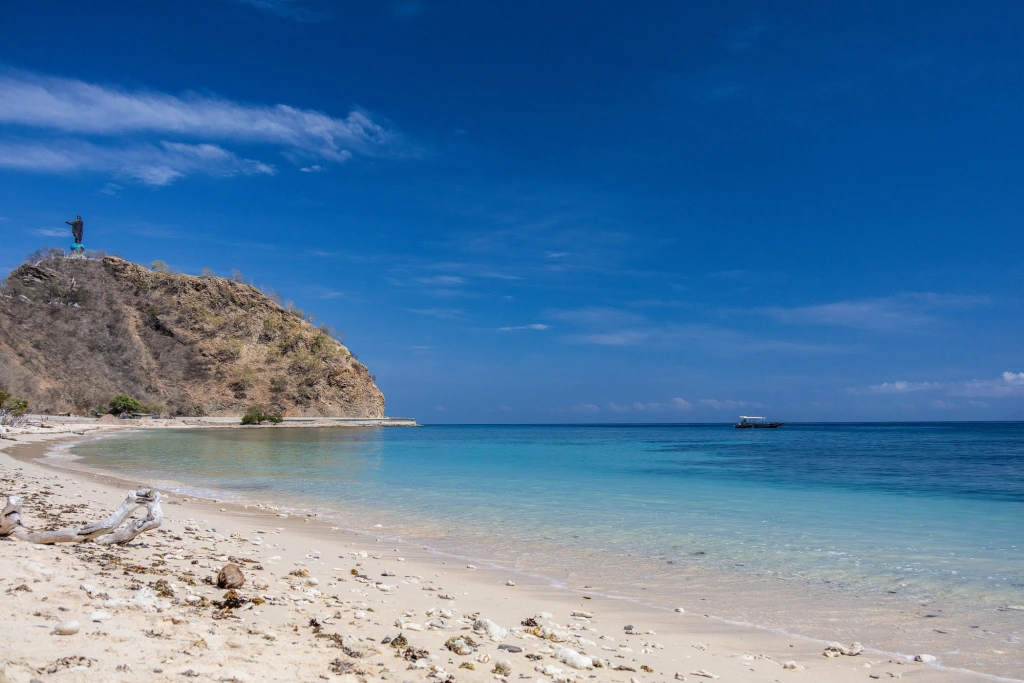
Legend has it that the island of Timor originated from an old and tired crocodile that embarked on a journey with a boy, in search of a golden disc: the rising sun.
Midway through the journey, unable to continue, the crocodile says:
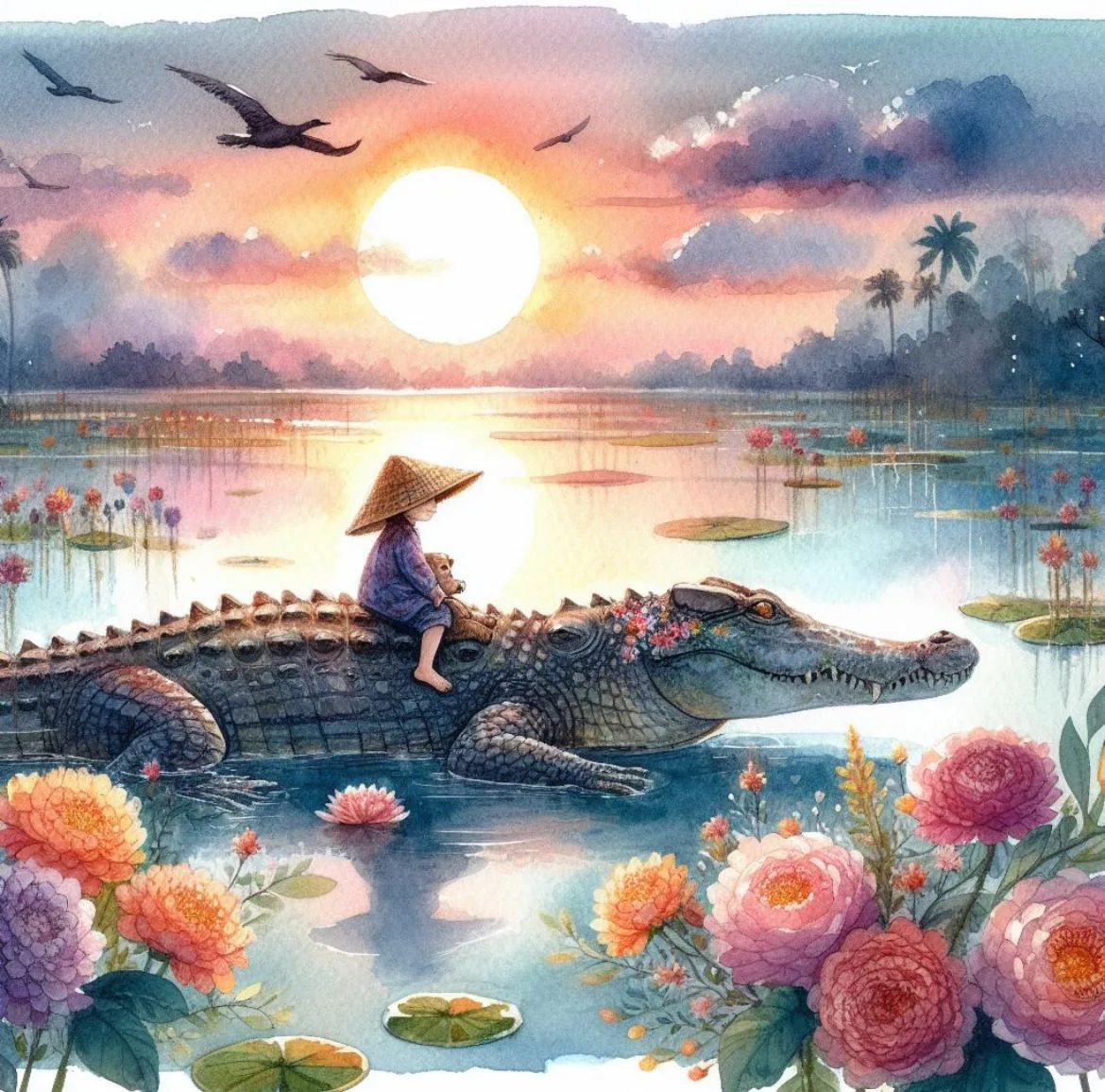
“I can’t go on… I will have to stay here.”
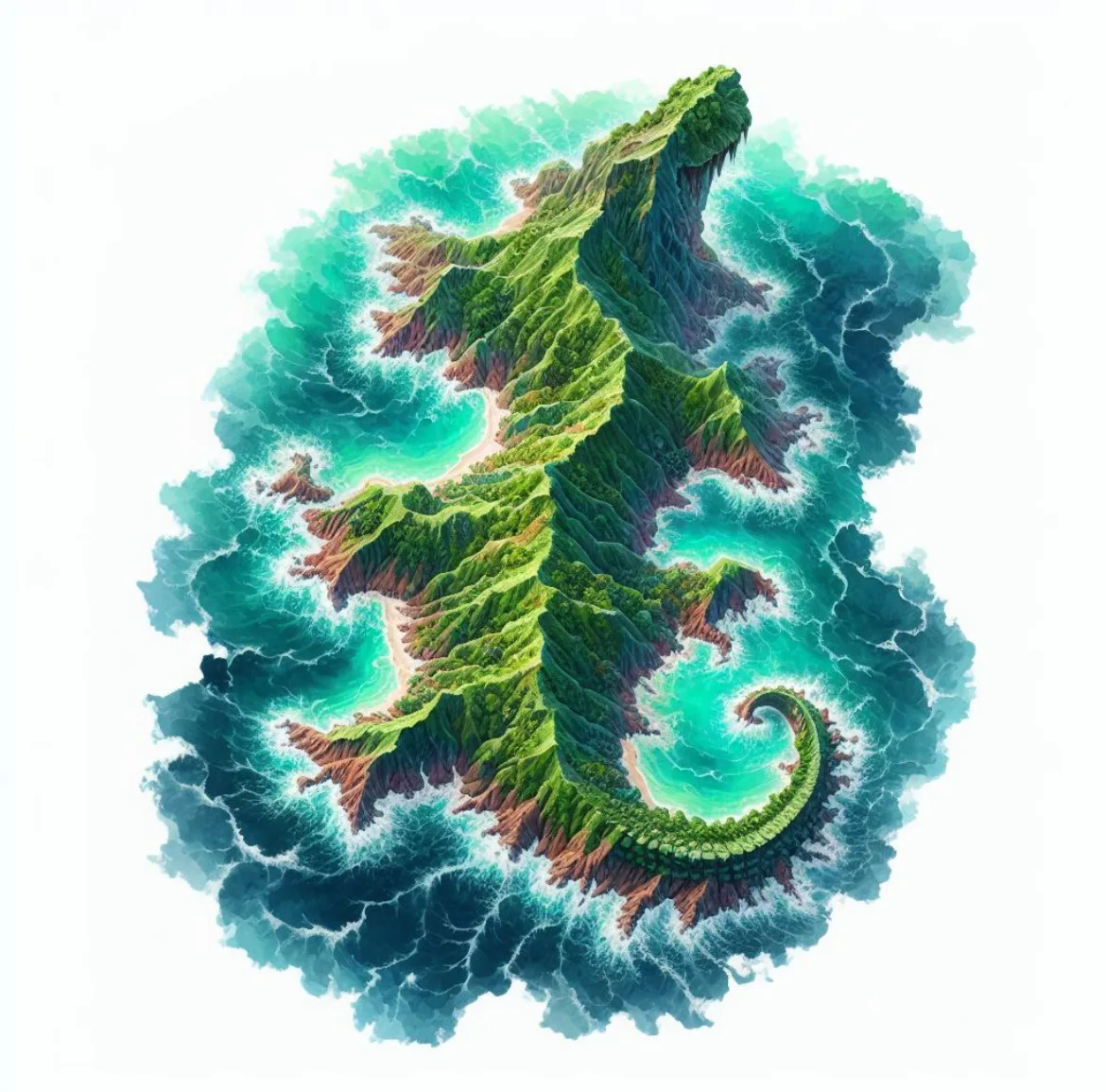
At this moment, the crocodile’s body begins to grow immensely, transforming into an island.
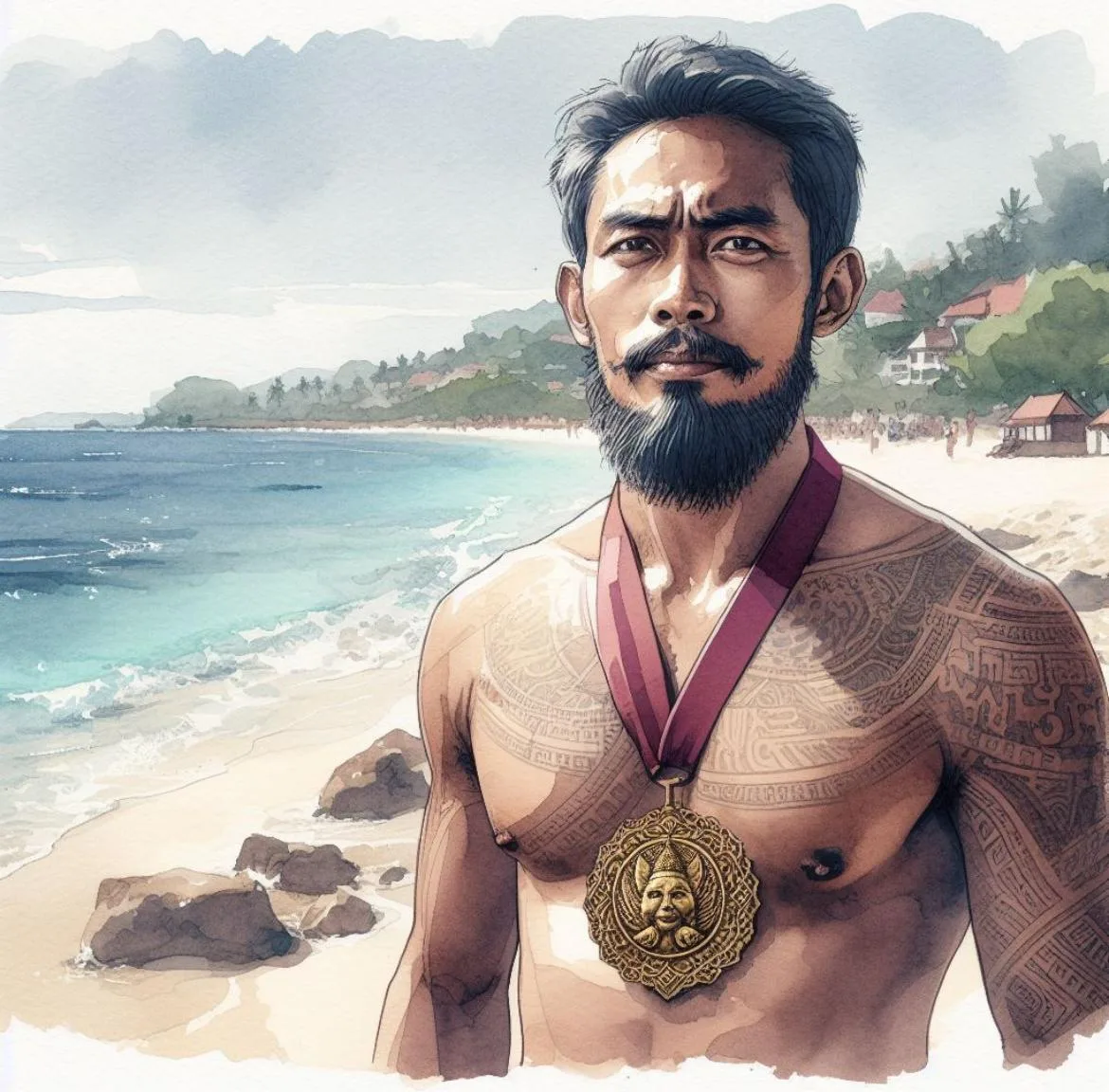
The boy, now a man, finds the golden disc they were both seeking on his chest. After circling the island, admiring its beauty, the boy decides to name the island Timor, which means: east, where the sun rises.
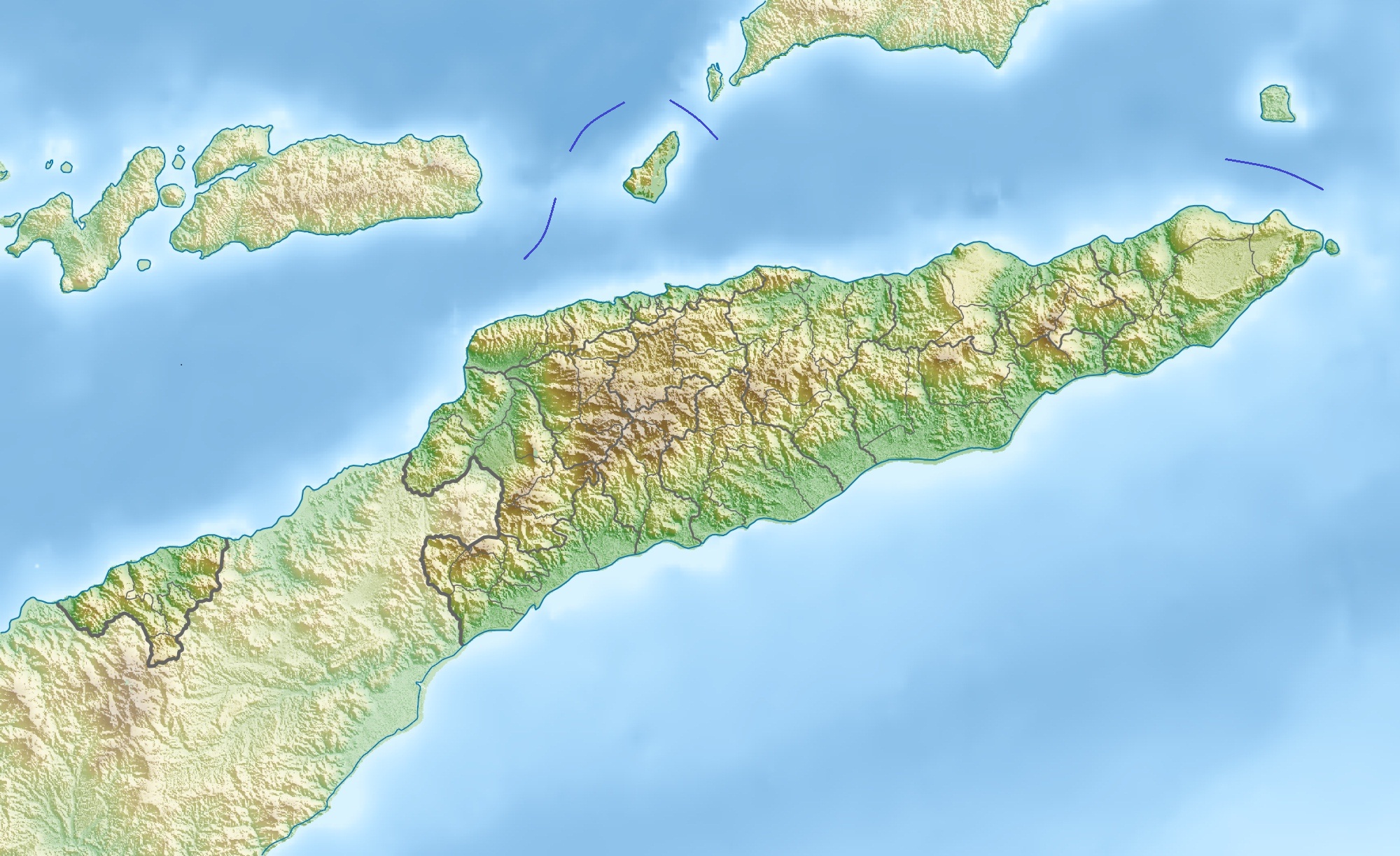
Supporting the legend is the fact that Timor is shaped like a crocodile on the water’s surface.
Satellite image of Timor
This belief led to the conviction that the crocodile is “the grandfather” of the Timorese, being considered a sacred animal.
The people believe that crocodiles only attack those who commit wrongdoings, sinners, and those with ill intentions.
The crocodile is, therefore, a protected animal, and its reproduction is not controlled.
What are the consequences?
- The development of communities is compromised, especially those living in higher-risk areas. In these communities, sometimes the only means of subsistence is fishing.
- It limits the economic growth and development of the country. Timor-Leste is indeed a beautiful country, with dense mountains culminating in turquoise blue water beaches. But the presence of crocodiles makes diving highly risky and tourism impossible.
We might ask, “and where is the critical thinking?”
Let’s look at the historical context.
During the Indonesian occupation of Timor-Leste (1975 to 1999), those who spoke Portuguese were killed, those who expressed opinions were killed, and missionaries were killed without apparent reason.
The people adapted to silence, keeping their thoughts, opinions, and questions to themselves.
After the restoration of independence in 2002, the Portuguese language had already fallen into disuse. Still, and perhaps as a form of assertion, Portuguese was chosen as the language of education. Over the years, a general disinterest in school and knowledge grew. A lack of stimulation, cognitive development, creativity, and proactivity emerged. Issues that perpetuate from generation to generation, up to the present day.
Adding to the plight, we must also consider the informational isolation. Forget books and libraries, let’s consider only the online world, to which the people are gaining access. Portuguese is unknown to them, and English is the same in quotes, leaving them with Tetum (and not even this is known to all). There is no online content in Tetum, except what is created by them, and this circulates on Facebook and Instagram, with all its limitations, dangers, and trivialities.
Questioning the belief, seeking change are anything but concerns for these people!
And, simply because our working language is Portuguese, GiraCatavento will create an impact in Timor-Leste.